
Banks In Pakistan
The Backbone of Financial Stability and Freedom
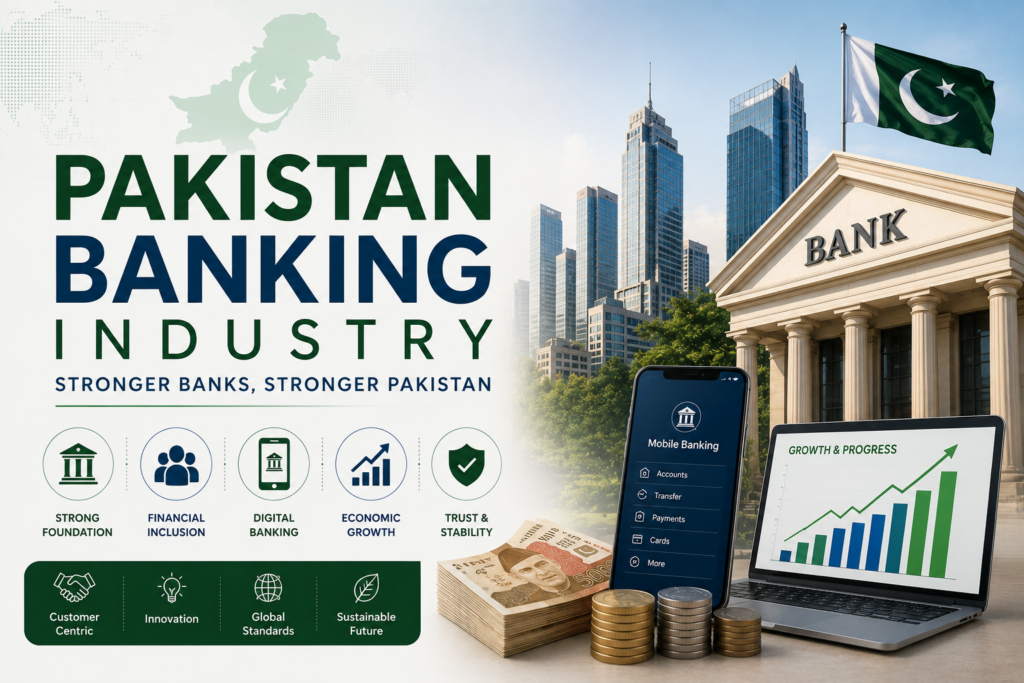
Banks are one of the most important pillars of any modern financial system. They play a central role in managing money, supporting economic growth, enabling investments, and helping individuals and businesses achieve financial security and long-term financial freedom. In Pakistan, banks serve as the primary gateway to savings, financing, investments, and wealth management for millions of people.
Here is a comprehensive overview of banks, their history, operations, role in Pakistan’s economy, and how using banks wisely can support financial planning and financial freedom.
How Banks Started – The Origins of Banking
The concept of banking dates back thousands of years. Early forms of banking emerged when civilizations realized the need for safe storage of wealth, facilitation of trade, and lending.
- In ancient Mesopotamia and Egypt, temples and palaces acted as safe places to store gold, silver, and grain.
- Merchants began lending goods and money with agreed returns, laying the foundation for modern lending.
- In medieval Europe, goldsmiths stored valuables for clients and issued receipts, which later evolved into paper money and deposit banking.
These early systems gradually developed into structured banking institutions that managed deposits, loans, and payments.
General History of Banks
Rise of Modern Banking
Modern banking began during the Renaissance, particularly in Italy, where merchant families established banks to support trade and currency exchange.
Key developments included:
- Acceptance of public deposits
- Issuance of loans
- Introduction of checks and promissory notes
- Development of central banking systems
Over time, banks became regulated institutions responsible for maintaining financial stability and supporting national economies.
Evolution of Banking Systems Worldwide
As economies grew, banks evolved to offer:
- Savings and current accounts
- Credit facilities
- Investment products
- International trade financing
Central banks were established to regulate money supply, supervise commercial banks, and ensure financial stability. Today, banking systems operate under strict regulatory frameworks worldwide.
How Banks Operate
Banks operate by accepting deposits and lending money, while ensuring liquidity, safety, and profitability.
Core Banking Activities
- Accepting deposits from individuals and businesses
- Providing loans and financing
- Facilitating payments and transfers
- Offering investment and savings products
Banks act as intermediaries between savers and borrowers.
How Banks Function on a Daily Basis
Deposit Collection
Banks collect money through:
- Savings accounts
- Current accounts
- Term deposits
- Fixed deposits
Deposits provide banks with funds to lend and invest.
Lending and Financing
Banks provide:
- Personal loans
- Business financing
- Home and auto financing
- Trade finance
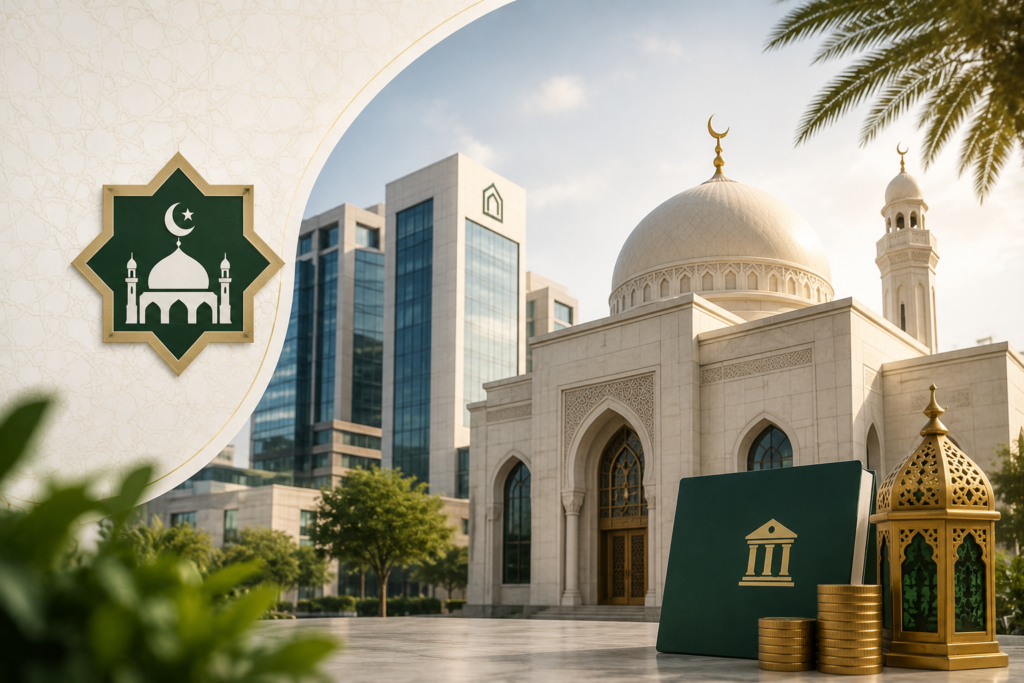
In Islamic banking, financing is structured through Shariah-compliant modes such as Murabaha, Ijarah, and Musharakah.
Payment and Transaction Services
Banks facilitate:
- Online transfers
- ATM withdrawals
- Bill payments
- International remittances
Digital banking has significantly improved speed and accessibility.
How Banks Earn Profits
Banks earn profits through multiple income streams:
Interest or Profit Income
- Conventional banks earn interest on loans.
- Islamic banks earn profit through asset-based financing and trade transactions.
Service Charges and Fees
Banks charge fees for:
- Account maintenance
- ATM usage
- Fund transfers
- Trade and remittance services
Investments
Banks invest depositor funds in:
- Government securities
- Bonds
- Money market instruments
These investments generate stable returns.

General History of Banks in Pakistan
Early Banking Era
At the time of independence, Pakistan inherited a limited banking infrastructure. Initially, foreign banks dominated the sector.
Establishment of State Bank of Pakistan
The State Bank of Pakistan (SBP) was established to:
- Regulate the banking system
- Manage monetary policy
- Ensure financial stability
Growth of Commercial Banking
Over time, Pakistan developed:
- Nationalized banks
- Private banks
- Islamic banks
- Microfinance banks
This diversification expanded financial access across the country.
Rise of Islamic Banking
Islamic banking has grown rapidly in Pakistan due to:
- Demand for Shariah-compliant finance
- Ethical investment principles
- Government and regulatory support
Types of Banks in Pakistan
Commercial Banks
Provide everyday banking services such as savings, loans, and payments.
Islamic Banks
Offer Shariah-compliant banking products based on profit-sharing and asset-backed financing.
Microfinance Banks
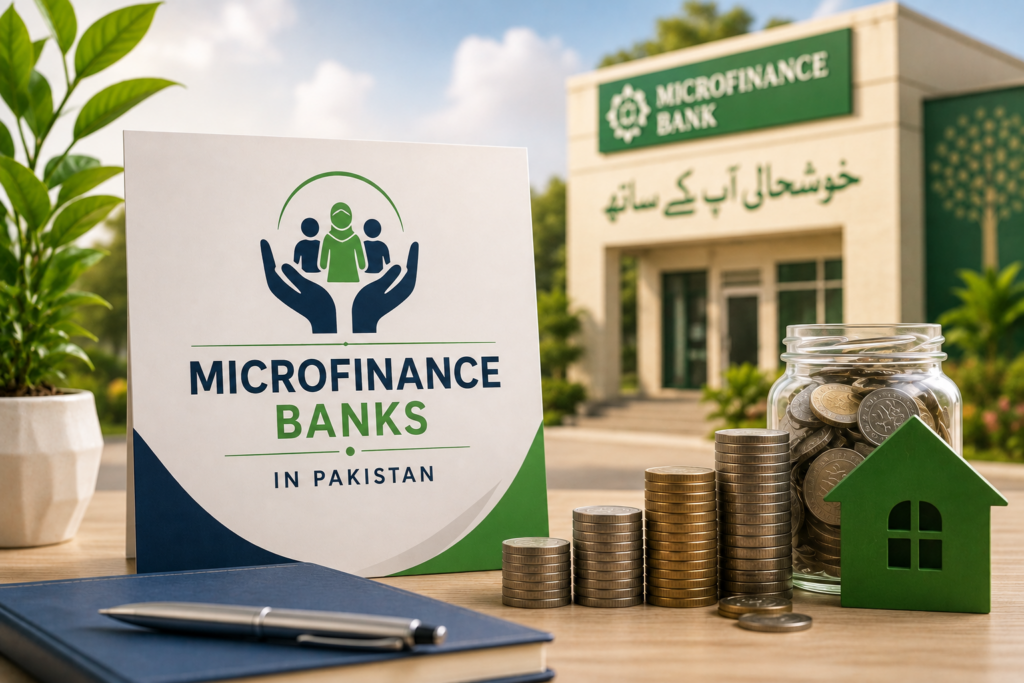
Focus on financial inclusion for low-income individuals and small businesses.
Development and Specialized Banks
Support agriculture, housing, exports, and industrial growth.
Role of Banks in Financial Planning
Banks help individuals:
- Manage income and expenses
- Save for future goals
- Protect wealth
- Access investment opportunities
They form the foundation of any structured financial plan.
How Depositing Money in Banks Supports Financial Freedom
Safe Storage of Wealth
Banks provide secure custody of funds, reducing the risk of loss or theft.
Encourages Saving Discipline
Savings accounts help individuals build consistent saving habits, a key step toward financial independence.
Access to Investment Opportunities
Banks offer:
- Mutual funds
- Government bonds
- Term deposits
- Islamic investment products
These help grow wealth over time.
Liquidity and Emergency Access
Deposits ensure quick access to funds during emergencies, supporting financial security.
Banks and Long-Term Financial Security
Banks play a critical role in:
- Retirement planning
- Emergency fund creation
- Education savings
- Wealth preservation
Using banks wisely allows individuals to balance safety, growth, and accessibility.
Digital Banking and the Future of Banks in Pakistan
The banking sector in Pakistan is rapidly evolving through:
- Mobile banking apps
- Digital wallets
- Online investment platforms
- Instant payment systems
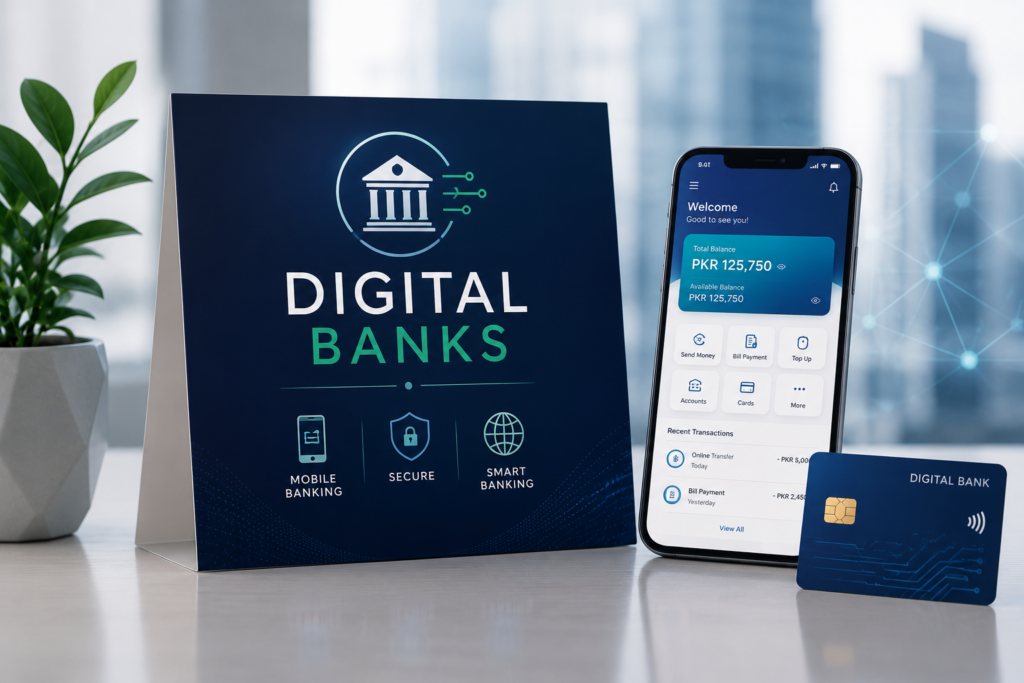
Digital banking is making financial services more accessible, especially for young and tech-savvy users.
Banks as a Foundation for Financial Freedom
Financial freedom does not depend on high income alone—it depends on structured money management. Banks provide:
- Security
- Stability
- Growth opportunities
- Financial discipline
When combined with smart investing and long-term planning, banks become powerful partners in achieving financial independence.
Final Thoughts
Banks are far more than places to deposit money. They are essential institutions that support personal finance, business growth, and national economic development. In Pakistan, banks have evolved into comprehensive financial service providers, offering tools that help individuals save, invest, protect, and grow their wealth.
Related Articles