
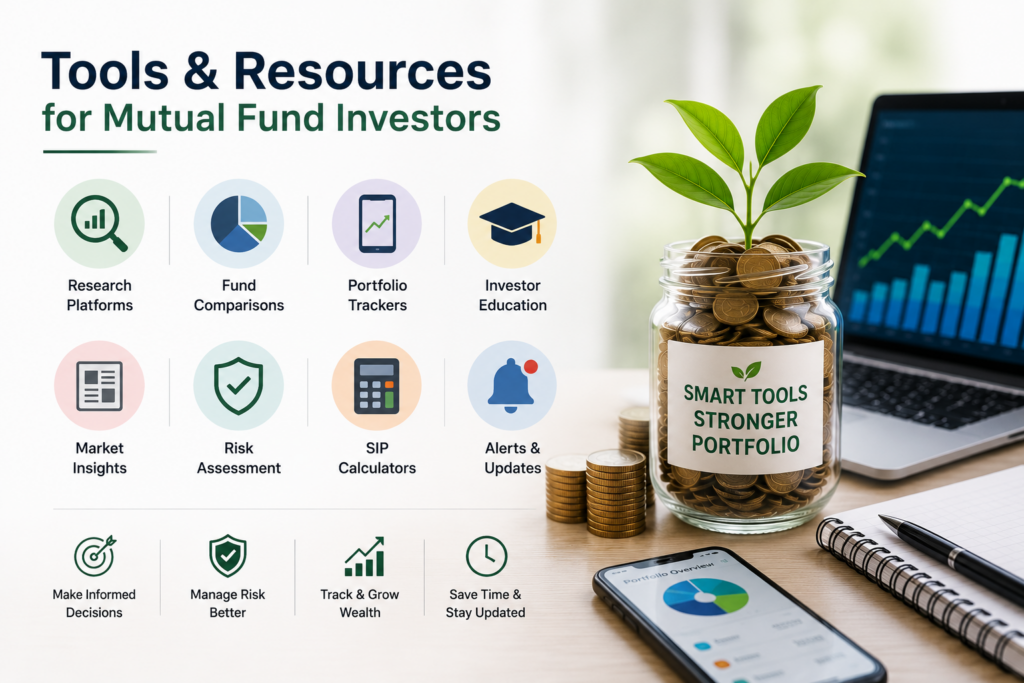
Tools and Resources for Mutual Fund Investors in Pakistan
Investing in mutual funds is one of the most effective ways to build long-term wealth and move toward financial freedom. However, successful mutual fund investing does not start with buying a fund — it begins with research and comparison. For investors in Pakistan, understanding how to evaluate fund companies and using the right tools can make a significant difference in investment outcomes.
This article explores why researching and comparing mutual fund companies matters, the essential tools available to Pakistani investors, and practical steps to compare fund companies effectively.
Why Researching and Comparing Fund Companies Matters
Mutual funds are managed by Asset Management Companies (AMCs). While two funds may appear similar on the surface, their performance, risk management, and consistency can vary widely based on the fund company behind them.
Protecting Your Capital
Research helps investors avoid poorly managed funds and reduce the risk of capital erosion. A reputable fund company follows strict regulatory standards and disciplined investment processes.
Improving Long-Term Returns
Fund companies with experienced managers, strong research teams, and proven strategies are more likely to deliver consistent long-term returns rather than short-term spikes.
Understanding Risk Management
Different AMCs manage risk differently. Comparing fund companies helps investors select funds aligned with their risk tolerance and financial goals.
Building Confidence and Discipline
Well-researched investments reduce emotional decision-making and increase confidence during market volatility.
Understanding Mutual Fund Companies in Pakistan
In Pakistan, mutual funds are managed by licensed Asset Management Companies (AMCs) regulated by the Securities and Exchange Commission of Pakistan (SECP).
Each AMC offers multiple types of funds, such as:
- Equity funds
- Income funds
- Money market funds
- Islamic mutual funds
- Balanced and asset allocation funds
Choosing the right fund company is as important as selecting the right fund.
Essential Tools and Resources for Researching Mutual Funds in Pakistan
SECP (Securities and Exchange Commission of Pakistan)
The SECP is the primary regulator of mutual funds in Pakistan. Its website provides:
- List of licensed AMCs
- Regulatory guidelines
- Investor protection information
- Enforcement actions and compliance updates
SECP verification ensures that an AMC operates legally and transparently.
Asset Management Company (AMC) Websites
Each fund company publishes detailed information on its website, including:
- Fund objectives
- Historical performance
- Fund manager profiles
- Risk disclosures
- Monthly fund manager reports
Reviewing official AMC data helps investors understand the fund’s strategy and consistency.
Fund Fact Sheets
Fund fact sheets are essential research documents that summarize:
- Net Asset Value (NAV)
- Asset allocation
- Top holdings
- Risk level
- Expense ratio
- Past performance
Comparing fact sheets across different AMCs allows investors to evaluate funds side by side.
Mutual Fund Association of Pakistan (MUFAP)
MUFAP serves as an industry body representing mutual funds in Pakistan. It provides:
- Daily NAV updates
- Industry statistics
- Performance comparisons
- Regulatory notices
MUFAP data is widely used for unbiased performance tracking.
Online Investment Platforms and Mobile Apps
Digital investment platforms in Pakistan provide tools such as:
- Fund comparison dashboards
- Risk profiling tools
- Performance charts
- Investment calculators
These platforms simplify research for beginners and experienced investors alike.
Financial Calculators
Financial calculators help investors estimate:
- Future value of investments
- Monthly savings required to reach goals
- Impact of compounding
- Risk-return trade-offs
Using calculators helps align fund selection with long-term financial planning.
Educational Content and Research Reports
Reliable financial blogs, research publications, and educational portals offer:
- Market insights
- Fund analysis
- Investment strategies
- Economic outlooks
Continuous learning strengthens decision-making and confidence.
How to Compare Fund Companies Effectively
Comparing fund companies involves more than looking at returns. A structured approach helps investors make informed decisions.
Step 1: Check Regulatory Approval and Reputation
Ensure the AMC is:
- Licensed by SECP
- Operating for several years
- Free from major regulatory violations
A strong reputation signals stability and trustworthiness.
Step 2: Evaluate Historical Performance (Long Term)
Look at performance over:
- 3 years
- 5 years
- Full market cycles
Consistent performance matters more than short-term gains.
Step 3: Analyze Risk and Volatility
Higher returns often come with higher risk. Compare:
- Fund volatility
- Drawdowns during market downturns
- Risk classification
Choose funds aligned with your risk tolerance.
Step 4: Review Expense Ratios and Fees
Lower expenses can significantly impact long-term returns. Compare:
- Management fees
- Front-end or back-end loads
- Other hidden charges
Cost efficiency is a key factor in wealth creation.
Step 5: Assess Fund Manager Experience
Experienced fund managers with stable track records often outperform frequent leadership changes. Review:
- Years of experience
- Investment philosophy
- Past fund performance
Step 6: Understand Investment Strategy
Compare how different AMCs:
- Select securities
- Manage risk
- React to market conditions
- Diversify portfolios
A clear and disciplined strategy indicates professionalism.
Step 7: Compare Transparency and Reporting
Reliable fund companies:
- Publish regular reports
- Clearly disclose risks
- Communicate performance openly
Transparency builds long-term investor trust.
Tools That Support Long-Term Financial Freedom
Research tools help investors:
- Avoid emotional investing
- Build disciplined portfolios
- Align investments with life goals
- Adjust strategies over time
When used consistently, these tools support sustainable wealth creation rather than speculative investing.
Common Mistakes to Avoid When Researching Funds
- Chasing short-term returns
- Ignoring risk levels
- Overlooking fees
- Investing without understanding fund objectives
- Relying on hearsay instead of data
Avoiding these mistakes improves long-term outcomes.
Final Thoughts
For mutual fund investors in Pakistan, research and comparison are the foundation of smart investing. With the right tools and resources — from SECP and MUFAP data to fund fact sheets and digital platforms — investors can make informed, confident decisions.
By carefully comparing fund companies, understanding risks, and staying disciplined, mutual fund investors can build a strong portfolio that supports long-term financial planning and financial freedom.