
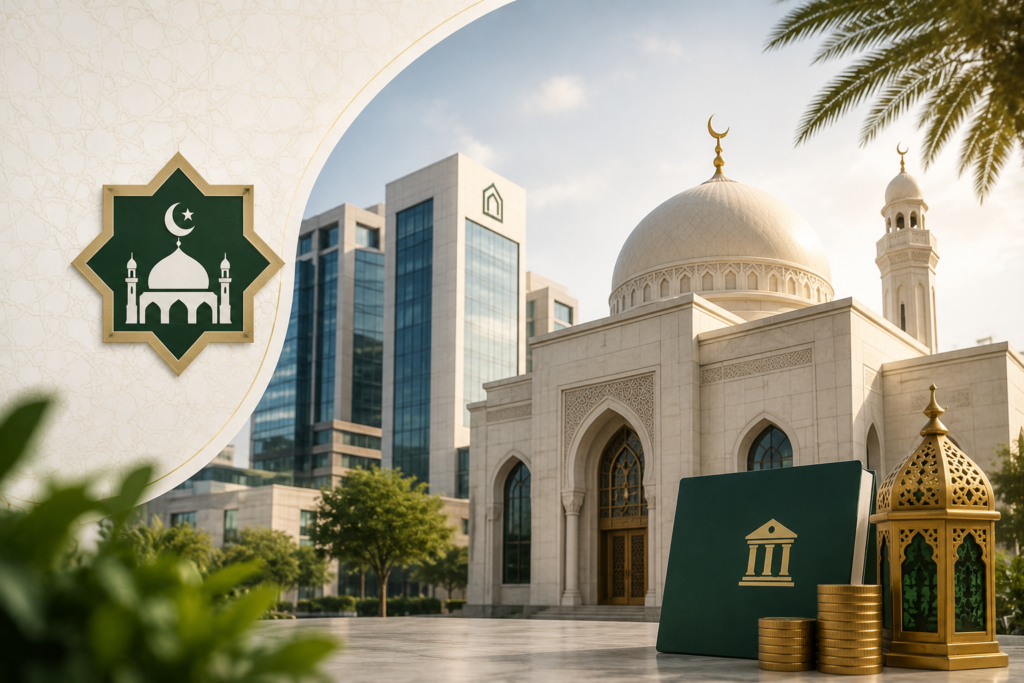
Islamic Banking System in Pakistan: A Path to Ethical Financial Freedom
Pakistan’s Islamic banking system is a rapidly growing segment of the nation’s financial ecosystem, offering a Shariah-compliant pathway for individuals seeking financial freedom through smart investment and planning. Rooted in Islamic principles that prioritize ethical wealth creation over interest-based profits, this system appeals to Pakistanis who value faith-aligned financial solutions. Under the “Banks” section of your financial journey, Islamic banking stands out as a unique blend of spirituality and practicality. This article provides an in-depth exploration of the Islamic banking system in Pakistan, its foundational principles, historical evolution, major institutions, diverse offerings, and actionable ways it empowers you to achieve financial security while adhering to Islamic values.
What is Islamic Banking?
Islamic banking is a financial system governed by Shariah law, derived from the Quran and Hadith. It prohibits riba (interest), “gharar” (excessive uncertainty), maysir (gambling), and investments in haram (forbidden) industries such as alcohol, pork, or pornography. Instead, it emphasizes profit-and-loss sharing, asset-backed transactions, and ethical investments that benefit society. In Pakistan, the State Bank of Pakistan (SBP) regulates this sector, ensuring compliance with both Islamic jurisprudence and national financial standards. Transactions are conducted as per Islamic Laws making it seamlessly integrated into the local economy.
Unlike conventional banking, where fixed interest drives profits, Islamic banking fosters partnerships. For instance, instead of earning a guaranteed 6% interest on a deposit, you might receive a profit share based on the bank’s halal business ventures. This risk-sharing model aligns financial growth with fairness and faith.
Evolution of Islamic Banking in Pakistan
The journey of Islamic banking in Pakistan reflects the nation’s Islamic identity and economic aspirations. At independence in 1947, banking was conventional, but calls for Shariah-compliant finance emerged as Pakistan sought to align its systems with Islamic values. The 1980s marked a formal push under General Zia-ul-Haq, who introduced profit-and-loss-sharing (PLS) accounts and banned riba in government transactions. However, implementation was patchy, with conventional banks dominating.
A turning point came in 2001 when the Supreme Court ruled to eliminate riba, prompting the SBP to establish an Islamic Banking Department in 2003. Meezan Bank, launched in 2002 as Pakistan’s first dedicated Islamic bank, catalyzed growth. By 2025, Islamic banking assets surpass PKR 8 trillion, with over 3,500 branches and 1,500 sub-branches across Pakistan. Holding a 20% market share, the sector aims for 35% in couple of years, backed by SBP initiatives like the Islamic Finance Policy. This expansion resonates with Pakistan’s 96% Muslim population, eager for ethical financial tools.
Key Principles of Islamic Finance
Islamic banking rests on five foundational principles:
- Prohibition of Riba: Interest is forbidden; profits stem from trade, leasing, or investment in halal ventures.
- Risk-Sharing: Banks and clients share gains and losses, ensuring mutual accountability
- Asset-Backed Financing: Transactions must involve tangible assets—like property or goods—avoiding speculative deals.
- Ethical Investments: Funds steer clear of haram sectors, focusing on permissible industries like agriculture or technology.
- Transparency and Fairness: Contracts must be clear, avoiding “gharar” (excessive uncertainty) and certified by Shariah boards.
These principles shape products like Mudarabah (profit-sharing partnerships), Musharakah (joint ventures), Murabaha (cost-plus financing), Ijarah (leasing), and Istisna (manufacturing contracts), offering ethical alternatives to conventional banking.
Major Islamic Banks in Pakistan
Pakistan’s Islamic banking sector features dedicated Islamic banks and conventional banks with Islamic windows:
1. Meezan Bank Limited
Meezan Bank is Pakistan’s first and largest dedicated Islamic bank. Known as the pioneer of Shariah-compliant banking in the country, it offers a wide range of financial products from savings to corporate financing, making it a leader in Islamic finance.
2. Bank Islami Pakistan Limited
Bank Islami was among the first banks to introduce branchless Islamic banking. It provides modern financial services—like car and home financing—based strictly on Islamic principles, ensuring customers can grow wealth without interest-based products.
3. Dubai Islamic Bank Pakistan Limited
A subsidiary of the world’s first Islamic bank, Dubai Islamic Bank combines global expertise with local solutions. It offers Shariah-compliant products for individuals and businesses, supporting both day-to-day banking and long-term financial planning.
4. Al Baraka Bank (Pakistan) Limited
Part of the Bahrain-based Al Baraka Banking Group, this bank brings international Islamic banking practices to Pakistan. Its portfolio includes consumer finance, SME support, and investment services—all structured under Shariah guidelines.
5. MCB Islamic Bank Limited
A wholly-owned subsidiary of MCB Bank, MCB Islamic Bank blends the trust of a leading conventional bank with the ethics of Shariah-compliant banking. It offers reliable Islamic alternatives to deposits, financing, and trade services.
6. Habib Metropolitan Islamic Banking
Backed by Habib Metropolitan Bank, this Islamic division provides customers with products aligned with their faith and financial goals. From savings to business finance, it focuses on ethical growth and customer trust.
7. Faysal Islamic Banking
Faysal Bank has transformed itself into a full-fledged Islamic bank, moving away from conventional operations. Its nationwide network now delivers only Shariah-compliant financial solutions, making it a strong choice for ethical banking.
8. Islamic Windows in Conventional Banks: Bridging Two Systems
In Pakistan, many conventional banks have expanded their services by creating dedicated Islamic Banking Windows to cater to the growing demand for Shariah-compliant financial products. These windows operate as separate divisions within conventional banks, ensuring that all transactions comply with Islamic principles while benefiting from the larger infrastructure and outreach of the parent bank.
For instance, HBL Islamic, UBL Ameen, and Bank Alfalah Islamic are well-recognized divisions offering a wide range of services such as savings and current accounts, home financing solutions, and Islamic mutual funds. These services allow customers to enjoy ethical, interest-free banking without compromising on the variety and efficiency offered by conventional banks.
By combining the extensive branch network, digital platforms, and financial expertise of traditional banks with Shariah-compliant practices, Islamic windows act as a bridge between the two systems. This approach not only promotes financial inclusion but also builds trust among customers who prefer Islamic banking while leveraging the convenience of established banking institutions.
How Islamic Banking Supports Financial Planning
In Pakistan, the path to financial freedom is more than just about growing your wealth; it’s about doing so in a way that aligns with your faith. For a nation where a vast majority of the population is Muslim, Islamic banking offers a powerful, ethical framework for managing money and building a secure future. Unlike conventional banking, which relies on interest-based transactions (riba), Islamic finance operates on principles of partnership, profit-sharing, and risk-sharing. This approach not only ensures that your financial activities are Shariah-compliant but also provides a robust system for achieving your goals.
Let’s explore the key ways Islamic banking can support your journey toward financial freedom.
Shariah-Compliant Tools for Wealth Building
Islamic banks offer a comprehensive suite of products and services designed to help you save, invest, and grow your wealth ethically.
Savings and Investment Accounts
Instead of earning interest, Islamic banks offer Mudarabah accounts. Here, your money is pooled with funds from other depositors and invested in Shariah-compliant, halal ventures. The bank acts as the manager, and the profits generated are shared between you and the bank based on a pre-agreed ratio. This creates a true partnership where both parties share in the profits and losses, promoting a more equitable financial system.
Financing Solutions
When you need to finance a major purchase, such as a home or a car, Islamic banking provides alternatives to interest-based loans.
- Murabaha (Cost-Plus Financing): In this model, the bank buys the asset you want (like a car) and then sells it to you at a pre-agreed price that includes a fixed, transparent markup. You then pay the bank in installments. This avoids the use of interest altogether.
- Ijarah (Leasing): This is a lease-to-own model often used for financing assets like machinery or property. The bank purchases the asset and leases it to you for a specified period. At the end of the term, ownership is transferred to you.
Ethical Investment Opportunities
For long-term growth, Islamic finance offers several avenues to invest your money in halal sectors.
- Sukuk (Islamic Bonds): These are certificates representing ownership in an asset or a project, similar to how conventional bonds work. However, instead of paying interest, Sukuk holders receive a share of the profits from the underlying asset. For example, a Green Sukuk might be used to finance a solar farm project, offering investors a return based on the project’s profitability while also contributing to sustainable development.
- Shariah-Compliant Mutual Funds: These funds invest exclusively in companies and businesses that align with Islamic principles. This means they avoid industries like alcohol, gambling, and conventional finance, focusing instead on sectors like technology, healthcare, and renewable energy. This ensures your investments not only grow but also contribute to a socially responsible economy.
Takaful (Islamic Insurance)
Protection is a cornerstone of financial planning. Takaful is the Islamic alternative to conventional insurance. Instead of paying premiums to a company for a policy, participants pool their contributions into a fund. This fund is then used to help any participant who suffers a loss, making it a system of mutual support and solidarity. Companies like Pak-Qatar Takaful offer a range of plans for health, vehicle, and life protection, seamlessly integrating with your banking for holistic financial planning.
Modern Trends in Islamic Banking
The Islamic banking sector in Pakistan is rapidly evolving, driven by digital innovation and a growing focus on sustainability and inclusivity.
The Rise of Digital Islamic Banking
Digital platforms are making Islamic banking more accessible than ever before. Apps from banks like Meezan, Bank Islami, and UBL Ameen allow you to perform a wide range of transactions—from instant transfers and bill payments to purchasing Sukuk—all from your smartphone. In remote areas like Balochistan, where physical branches might be sparse, these digital services bring banking to your fingertips, ensuring everyone has access to ethical financial tools.
Financial Inclusion and Microfinance
Islamic banking is also playing a crucial role in promoting financial inclusion. Micro-Takaful services, for instance, offer affordable crop protection to rural farmers in Sindh, while specialized savings accounts are designed to meet the unique needs of gig workers and small business owners in cities like Lahore. This focus on serving underserved communities is a core principle of Islamic finance.
Sustainability and Global Integration
The sector is increasingly aligning with global trends toward sustainable development. Green Sukuk, such as those financing solar projects in Punjab, offer attractive returns while supporting Pakistan’s climate goals. Furthermore, stronger ties with Gulf banks and participation in international Sukuk markets expand the investment options available to Pakistanis, bringing in global opportunities with competitive returns.
Your Action Plan for Financial Freedom
Ready to take control of your financial future the Islamic way? Here’s how you can leverage these tools:
- Save Ethically: Open a Mudarabah savings account to build your wealth with profit-sharing.
- Finance Wisely: When purchasing a car or home, explore Murabaha or Ijarah options to avoid interest.
- Invest Smartly: Consider investing in Shariah-compliant mutual funds or Sukuk for long-term growth in ethical sectors.
- Plan with Takaful: Secure your future and protect your loved ones with Takaful plans.
- Go Digital: Download a digital Islamic banking app to manage your finances conveniently and make sure you have access to services like Raast for fast, free transfers.
Challenges and Opportunities
While challenges like limited rural branch networks and a lack of awareness still exist, the future of Islamic banking in Pakistan is bright. The country’s young, tech-savvy population and the State Bank of Pakistan’s (SBP) ambitious target to increase the sector’s share to 35% of the total banking system highlight immense growth potential. With 96% of the population being Muslim, there is a clear demand for financial solutions that align with their beliefs.
Pakistan’s Islamic banking system is more than just an alternative; it is a future-ready, ethical path to prosperity. By merging faith and finance, it offers a sustainable and inclusive way to build a financially free future.
Ready to begin your journey? Consider opening an account, exploring a Sukuk, or downloading a mobile banking app today. For more insights, you can also visit our website. Islamic banking is your ethical path to financial freedom—start today and build a halal tomorrow.
What financial goal are you most excited to achieve with Islamic banking?